Browsing the Intricacy of Global Proxy Management
Maximizing Success with automated ranking in 2026
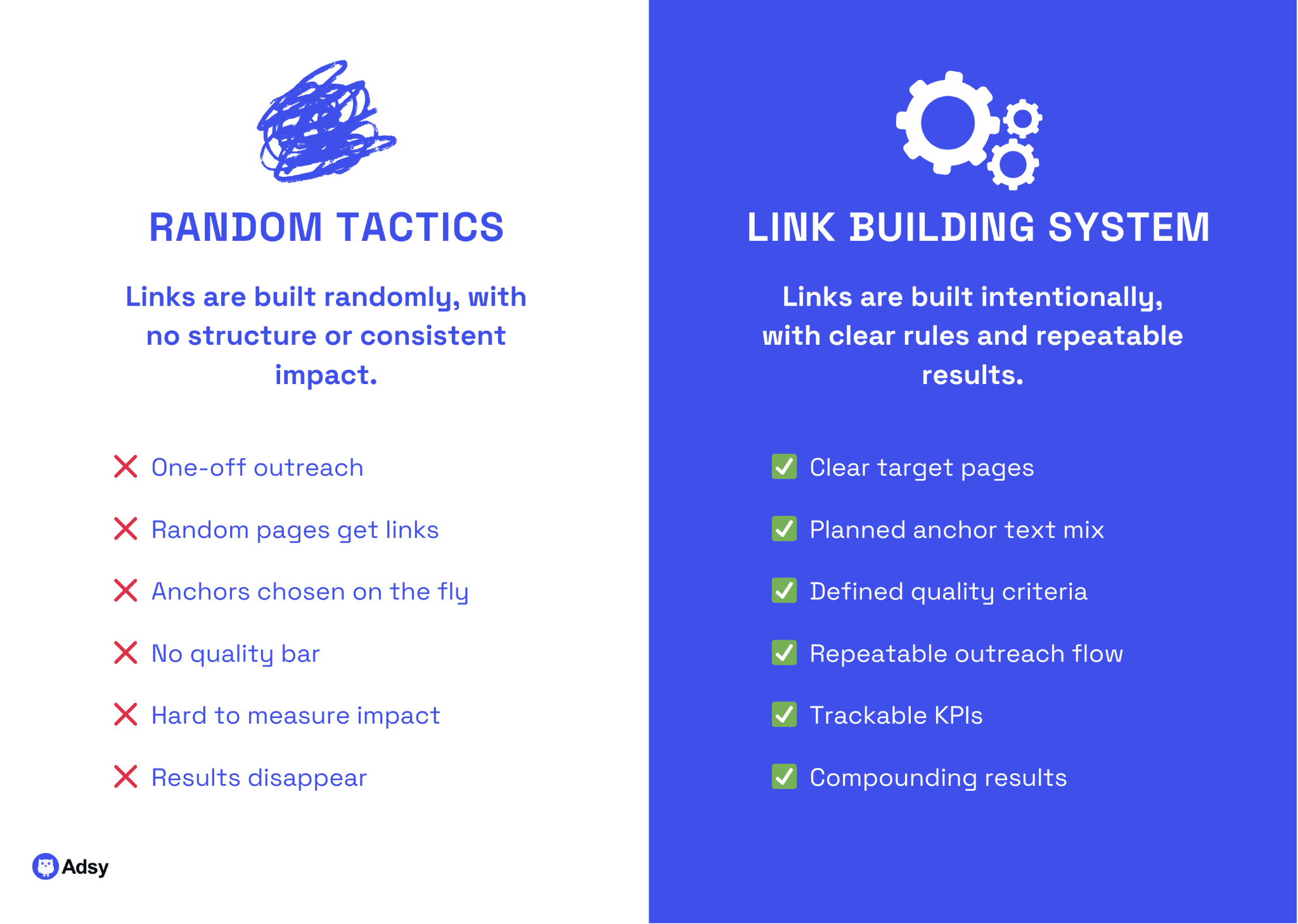
Automated link structure has actually gone through significant technical shifts since 2026. High-speed confirmation and list management now need a more disciplined approach to hardware and information hygiene than in previous years. GSA Online Search Engine Ranker (SER) remains a staple for those seeking to build large-scale backlink profiles, but the margin for mistake has narrowed. Success rates are no longer identified merely by the variety of threads running on a server, however by the quality of the targets and the performance of the underlying infrastructure.Operators concentrating on performance should focus on the purification of confirmed lists. A list that yielded high lead to early 2026 might see a sharp decline in efficiency within weeks if not correctly kept. The core of a high success rate lies in the capability to compare "soft" confirmations and persistent, high-value placements. This difference is critical because many platforms have actually carried out temporary posting blocks that appear effective at first but lead to the immediate removal of content.
Hardware and Infrastructure Requirements for global networks
The physical and virtual environment where GSA SER runs identifies the ceiling of its performance. In 2026, the standard for running high-thread counts has approached high-frequency CPUs and NVMe storage. Standard hard disk drives and even standard SSDs often create bottlenecks when the software application attempts to check out and compose to the confirmed list database all at once throughout hundreds of threads.Memory allotment is similarly crucial. Each thread takes in a particular quantity of RAM based upon the complexity of the engine being targeted. Online forum engines typically need less overhead, while complicated CMS platforms or image-heavy websites demand more. A server with 64GB of RAM is now thought about the entry point for professional-grade automation. When hardware is underpowered, the software experiences "thread lag," which causes timed-out connections and a lower successful-to-failed ratio.High-speed web connections with low latency to major data centers are obligatory. 2026 has actually seen a rise in server-side filtering where sluggish connections are immediately stopped by host firewalls. Using a foundation connection with at least 1Gbps balanced bandwidth guarantees that information packages reach their destination before the target server's timeout threshold is reached.
Efficient List Health and Filtering Methods
Validated lists are the lifeline of GSA SER, yet their value decreases without constant pruning. Stagnant information causes the software to waste resources on dead domains. Professional operators now utilize a multi-stage filtering procedure. Before a list goes into a live project, it needs to be processed through an "determine" phase. This phase checks if the target site still matches the engine footprint and if the submission kind is still active.Success in GSA Search Engine Ranker Price counts on the capability to classify these lists by their domain authority and reaction times. Websites that take longer than five seconds to react need to be transferred to a secondary list or discarded totally. High-latency websites frequently stop working the verification stage even if the submission was technically successful.Focusing on particular engines yields better outcomes than a "kitchen area sink" method. In 2026, particular engine types have become more resistant to automated posts. By concentrating on engines that reveal a historical success rate above 20 percent, operators can designate their threads more effectively. This targeted approach reduces the load on proxies and guarantees that the captcha-solving spending plan is invested on feasible targets.
Enhancing Proxy Protocols for digital outreach
Proxy management is maybe the most misinterpreted element of automation. In 2026, the shift has moved far from public proxies towards dedicated or top quality rotating property backconnect proxies. Public proxies are practically widely blacklisted by major hosting service providers, resulting in a success rate that hardly ever exceeds 2 percent.The ratio of proxies to threads is an essential metric. A common mistake is running 500 threads on just 10 proxies. This leads to instant rate-limiting and IP bans. A much safer ratio for 2026 is one proxy for every 5 to 10 threads. This distribution prevents any single IP from hitting a target website too frequently, which is a major footprint for automated systems.Adopting GSA Search Engine Ranker GSA Search Engine Ranker Price changes the course of job execution by making sure that every demand appears as a legitimate user. Rotating proxies ought to be set to change at the thread level or every couple of minutes to keep the footprint as small as possible. The geographical place of the proxies should ideally match the target market of the validated list to prevent activating security alerts on the location servers.
Advanced Captcha Fixing and Resource Management
Captcha innovation has actually advanced considerably by 2026, demanding a layered approach to resolving. Depending on a single captcha service is no longer enough. Most successful setups utilize a primary OCR-based solver for easy image captchas and a secondary API-based service for more complicated challenges like hCaptcha or the most recent iterations of reCAPTCHA.The "retry" settings within GSA SER must be tuned thoroughly. Setting the software application to retry a captcha resolve too numerous times can drain the balance of an API service without increasing the success rate. Normally, 2 or 3 efforts are the limitation. If a site can not be solved within three shots, it is often more effective to avoid it and transfer to the next target in the validated list.Resource management also reaches the "Email Verification" phase. Many engines require a confirmed email address before a link is published. In 2026, using premium private email domains transcends to using free providers like Gmail or Outlook, which have actually implemented aggressive anti-bot procedures. Setting the software to inspect emails every 15 to thirty minutes ensures that confirmation links are caught before they expire.
Filtering and Arranging Verified Lists for Peak Efficiency

The internal "Worldwide Site List" in GSA SER can grow to millions of URLs, but larger is not constantly better. Big, unoptimized lists cause the software to hang during the packing phase. Operators needs to divide their verified lists into classifications based on the engine type or the date the link was last verified.Sorting by "Last Confirmed" date allows the software to focus on fresh targets. In 2026, the life expectancy of a validated link can be short. By focusing on sites verified within the last two days, the success rate for brand-new submissions generally increases by 30 to 40 percent. Older links need to be relocated to a "re-verify" project that performs at a lower top priority during off-peak hours.Another strategy includes making use of "Blacklists." Keeping a worldwide blacklist of domains that regularly stop working or that have high spam ratings is necessary. This prevents the software application from repeatedly striking the exact same problematic websites throughout different jobs. This practice protects the credibility of the proxies and keeps the thread count focused on productive work.
Keeping High Successful-to-Failed Ratios
A high successful-to-failed ratio is the ultimate sign of a well-tuned system. In 2026, a ratio of 1:5 (one success for every 5 efforts) is considered outstanding for cold scraping, while a ratio of 1:1 or greater is anticipated when running versus a high-quality confirmed list. If the ratio drops substantially, it is usually an indication that the proxies are scorched or the captcha service is failing.Operators should also keep track of the "Submitted" versus "Confirmed" stats. If the submission rate is high however the confirmation rate is low, the problem is likely associated to the email verification settings or the target sites are using "shadow-posting" techniques. Shadow-posting occurs when a site accepts the data and returns a success message, however never ever actually releases the content. Recognizing these websites and eliminating them from the verified list is needed to preserve efficiency.The use of customized engine scripts has actually also ended up being more common in 2026. These scripts permit GSA SER to target niche platforms that are not part of the default installation. By targeting less typical engines, the competitors is lower, and the success rates on confirmed lists tend to remain stable for longer periods. This needs a little technical knowledge in regular expressions (Regex) however the roi is considerable.
Future-Proofing Link Building in the target market
Remaining ahead in 2026 requires constant adaptation. The software application settings that operated in January may be outdated by June. Regularly upgrading the software and the engine files is the primary step, but the 2nd step is observing the data. Successful operators spend as much time analyzing their logs as they do running the software.Monitoring the action codes from target servers offers ideas about why links are failing. A high number of "403 Forbidden" errors suggests proxy blacklisting, while "404 Not Found" errors indicate that the confirmed list is obsoleted. By reacting to these codes in real-time, the project parameters can be gotten used to preserve the highest possible success rate.Focusing on the technical details of the server, the proxies, and the data health guarantees that GSA SER remains a powerful tool for link structure. Success is not about the large volume of links, but about the dependability and determination of the links that are created. In the competitive environment of 2026, precision and technical excellence are the only ways to achieve sustainable outcomes.