Validated Success Rates: A Benchmark for 2026 Efficiency

The Shift Toward Verified Efficiency in 2026
Automated link building has actually gone through significant changes as we move through 2026. The days of simply letting a spider cut loose across the web to find targets are largely over for experts who value their time and server resources. While GSA Browse Engine Ranker remains a staple in the toolkit of numerous SEO specialists, the methodology of how it is fed information has split into 2 unique camps: those who scrape their own lists and those who utilize confirmed link lists. In the present environment, the technical and economic benefits of verified lists have ended up being too large to ignore.
During 2026, online search engine and webhosting companies have executed sophisticated bot detection mechanisms that make real-time scraping far more tough than it was even a few years ago. Scraping for fresh footprints requires a huge investment in residential proxies and high-performance CPUs. For a lot of operators, this develops a traffic jam where the software application invests 90 percent of its time searching for sites and just 10 percent actually posting links. Confirmed lists turn this ratio, permitting the software to focus completely on the submission process. This shift in resource allotment is the main reason validated lists now dominate the market for high-volume SEO projects.
Technical Limitations of Scraped Lists in 2026
Scraping is essentially a discovery objective. When GSA SER is set to scrape its own targets, it utilizes search engine footprints to find potential platforms. Nevertheless, by 2026, major search engines have tightened their rate limits significantly. Even with a big swimming pool of proxies, the number of inquiries required to find a single "postable" URL has increased fivefold. This causes a high "burn rate" for proxies, where IPs are flagged and obstructed before they can return meaningful results. The expense of maintaining a proxy pool efficient in scraping countless URLs daily typically surpasses the expense of purchasing a premium confirmed list subscription.
The quality of scraped data has likewise declined. A substantial part of the URLs returned by online search engine in 2026 are either secured by advanced captchas, use concealed "honeypot" fields to trap bots, or belong to dead domains that have not been purged from the index. When the software application tries to publish to these junk targets, it wastes bandwidth and processing power. This results in a low Links Per Minute (LPM) count, which is a key metric for anybody handling massive SEO projects. Utilizing Asia Virtual Solutions Safety helps preserve a high LPM by making sure that every URL the software application touches has currently been pre-screened for compatibility and effective publishing.
Allocating Resources for https://www.youtube.com/watch?v=lwmbgegMItU
Performance in 2026 is measured by how much "confirmed" success a server can produce in a 24-hour window. When utilizing scraped lists, a standard VPS might struggle to maintain an LPM of 20 or 30 due to the fact that it is bogged down by the discovery phase. By switching to a validated list, that exact same server can often reach an LPM of 200 or 300. This is since the software is no longer inspecting if a website exists or if it has a particular engine; it is merely carrying out the post. This permits experts to scale their operations without requiring to buy more servers or more pricey hardware.
Server overhead is a concealed expense that lots of beginners ignore. Scraping is CPU-intensive. It requires the software to parse countless HTML pages every minute to determine footprints. In contrast, running a verified list is mainly a memory and bandwidth job. By minimizing the CPU load, the software remains steady for longer durations, with less crashes and less "thread freezing." This stability is important for preserving long-lasting campaigns that need constant link velocity to remain competitive in the 2026 search engine result.
The Mathematical Advantage of Verified Success Rates
The core of the argument for confirmed lists lies in the success-to-failure ratio. In 2026, a typical scraped list may have a success rate of 1 percent or less. This implies for every single 1,000 URLs the software application attempts to post to, only 10 result in a live link. The other 990 attempts are lost time, wasted proxy data, and squandered captcha fixing costs. Confirmed lists are constructed by constantly testing targets and moving effective ones into a different file. A top quality list service provider in 2026 typically provides lists with success rates in between 30 and 50 percent.
When the success rate is that high, the expense per link drops drastically. Consider the expense of captcha solving. If the software is blindly attempting to solve captchas on websites that are broken or have currently disabled registrations, the operator is literally throwing money away. Confirmed lists make sure that captcha resolving credits are only used on websites where a link is in fact possible. For those managing Asia Virtual Solutions Safety, this reduction in lost spend is typically adequate to spend for the list membership itself. The focus on link quality ends up being much simpler when the "trash" has actually already been strained by the provider.
Optimizing Remote Servers for Speed
Location and connection still matter in 2026. Many validated list providers host their data on high-speed servers in major information. When GSA SER syncs with these lists, it draws in countless fresh targets every hour. To maximize this, operators should guarantee their GSA SER instance is working on a maker with a minimum of 1 Gbps connection and at least 16 GB of RAM. This setup permits the software to manage the enormous increase of information without bottlenecking.
Another factor is using "Identify Just" mode. Some specialists use validated lists to rapidly identify which engines are currently most active. By running a validated list through GSA SER in "Identify" mode, the operator can see which platforms are responding fastest in 2026. This information can then be used to tweak project settings, such as increasing threads for fast-responding Wiki engines while decreasing threads for slower Online forum engines. This level of granular control is only possible when working with a pre-validated data set.
Footprint Management and Online Search Engine Sensitivity
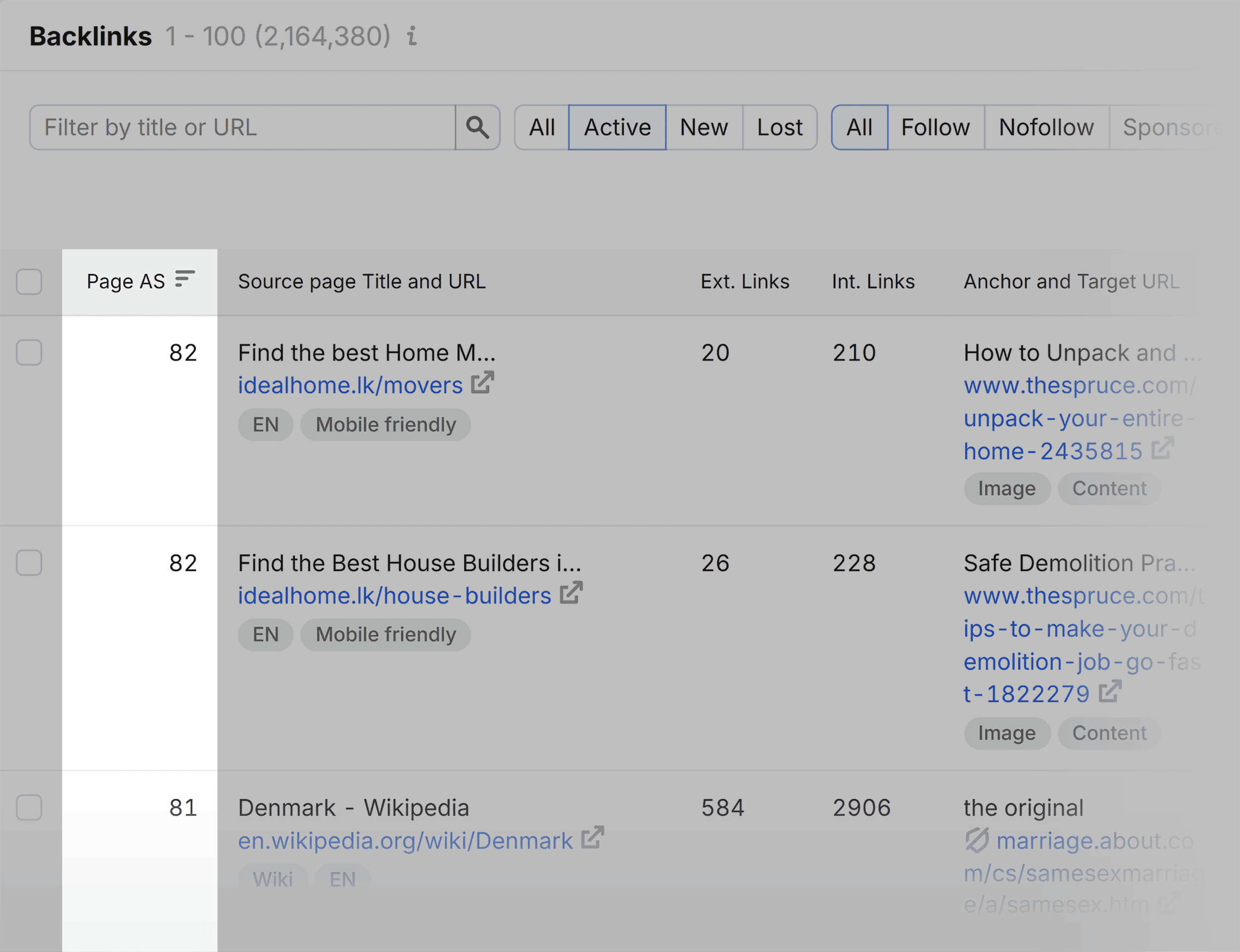
Online search engine algorithms in 2026 are incredibly delicate to footprints. If countless sites are all getting the exact same type of link at the same time from the same source, it develops a pattern that is easy to discount or punish. Scraped lists typically result in this problem since everybody utilizing the same footprints discovers the same "low-hanging fruit" websites. This leads to these websites ending up being over-spammed and losing their SEO worth quickly.
Confirmed list providers typically rotate their targets and utilize private footprints that aren't commonly understood. This helps disperse the links across a wider variety of domains and platforms. By utilizing a list that is frequently upgraded, an operator guarantees their links are being placed on websites that aren't yet saturated. This range is key to developing a backlink profile that looks natural to the 2026 indexing bots. Instead of having 5,000 links on the same 50 Guestbook engines, a verified list may provide 5,000 links across 500 various engines and sub-platforms.
- Reduced proxy intake by bypassing the online search engine scraping phase.
- Lower CPU usage, enabling more projects per server.
- Greater LPM (Hyperlinks Per Minute) through pre-validated targets.
- Better captcha economy by preventing broken or dead submission types.
- Better link variety through turned and personal footprints.
The Future of Automation in 2026
The pattern toward data-driven automation is not slowing down. As we take a look at the rest of 2026, the gap between "enthusiast" scraping and "professional" list usage continues to expand. The level of technical sophistication needed to scrape successfully has actually reached a point where it is no longer a feasible solo activity for the majority of SEO professionals. Outsourcing the "discovery" part of the process to a devoted list company is merely a clever company decision. It allows the professional to focus on method, material, and conversion instead of fixing proxy errors and footprint filters.
Success in 2026 requires a lean technique to technical SEO. Every megabyte of data and every CPU cycle need to be accounted for. Verified lists supply the most direct course to high-volume link building without the baggage of manual scraping. For those aiming to get the most out of GSA SER, the data is clear: the efficiency of a pre-verified target list far exceeds the perceived cost savings of scraping. In the competitive environment of 2026, speed and dependability are the only metrics that truly figure out the success of an automated campaign.
While scraping will constantly have a little location for those looking for hyper-niche targets, the bulk of the work is now dealt with by confirmed lists. This shift represents a maturation of the SEO industry, moving away from "brute force" methods toward a more refined and resource-conscious design. Professionals who adapt to this design are the ones who will continue to see outcomes as the digital field ends up being a lot more complex.